
Cashew nuts are a highly sought-after and profitable commodity in the nut industry, generating substantial revenue for wholesalers around the world. Wholesale dealers play a crucial role in the cashew supply chain, ensuring efficient distribution and driving the global trade of these nutritious nuts. This article provides an overview of cashew nuts wholesale dealers, their key responsibilities, and the factors that contribute to their success in this industry. 1. The Cashew Nut Market: The cashew nut market has experienced significant growth in recent years, driven by increasing consumer awareness of the nut’s health benefits, versatility, and delicious taste. This has created a demand that cashew nuts wholesale dealers meet by sourcing, packaging, and distributing cashew nuts to retailers, manufacturers, and other wholesale buyers. 2. Role and Responsibilities of Cashew Nuts Wholesale Dealers: Cashew nuts wholesale dealers act as intermediaries between cashew nut farmers, processors, and end consumers. Their primary responsibilities include: a. Sourcing: Wholesale dealers procure cashew nuts from various origins worldwide, taking into consideration quality, size, grade, and origin-specific characteristics.

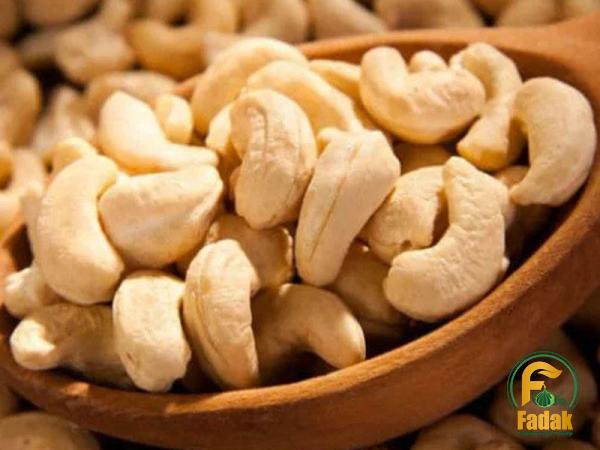
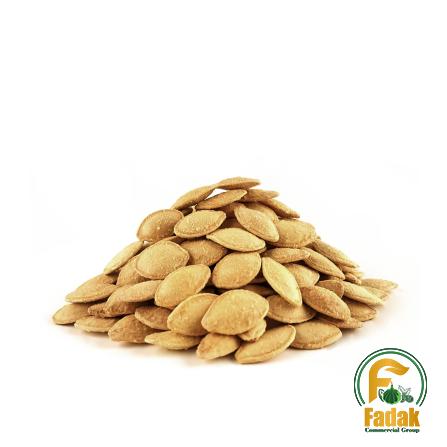
nut
 b. Quality Control: Ensuring the cashew nuts meet quality standards and are free from defects, such as mold, pests, or rancidity, is crucial to maintaining customer satisfaction and preserving the reputation of these dealers. c. Storage and Packaging: Wholesale dealers handle the post-harvest management of cashew nuts, including proper storage to maintain optimum quality and packaging that ensures freshness, extended shelf life, and safe transportation. d. Distribution: Efficiently managing logistics and transportation networks to connect cashew nut supplies with buyers is essential for timely deliveries and meeting customer demands. e. Marketing and Sales: Cashew nuts wholesale dealers often engage in marketing and sales activities to attract new customers and expand their market reach. This can include advertising, attending trade fairs, or leveraging e-commerce platforms. 3. Key Success Factors for Cashew Nuts Wholesale Dealers: To thrive in the competitive cashew industry, wholesale dealers should consider several critical success factors: a. Supplier Relationships: Building strong relationships with cashew nut farmers and processors helps ensure a consistent and reliable supply of high-quality cashew nuts at competitive prices. b. Quality Assurance: Maintaining strict quality control measures throughout the supply chain is essential for meeting customer expectations and complying with food safety regulations. c. Product Differentiation: Offer unique varieties and packaging options, such as flavored cashews or value-added products, catering to diverse customer preferences, and expanding market opportunities. d. Market Knowledge: Staying updated on market trends, import/export regulations, and emerging consumer preferences helps wholesale dealers identify new opportunities and adapt their strategies accordingly.
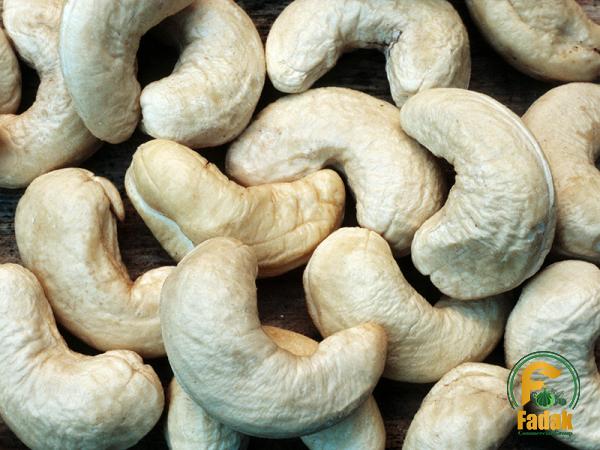
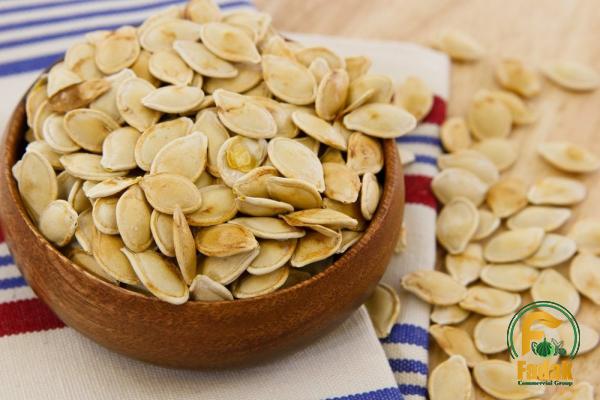
Specifications of nut
 e. Efficient Supply Chain Management: Investing in streamlined logistics and distribution networks to minimize delivery time, reduce waste, and manage costs is vital for maintaining a competitive edge. f. Ethical and Sustainable Practices: In an increasingly conscious market, adhering to sustainable and socially responsible practices throughout the supply chain can enhance a wholesale dealer’s reputation and attract environmentally and socially conscious customers. 4. Challenges Faced by Cashew Nuts Wholesale Dealers: Operating in the cashew nut wholesale business is not without its challenges. Some common hurdles include: a. Price Fluctuations: Cashew nut prices are subject to fluctuations due to factors like crop availability, weather conditions, currency exchange rates, and market demand. This volatility poses challenges for wholesale dealers who must manage pricing strategies and protect profit margins. b. Seasonality: Cashew harvesting typically follows seasonal patterns, resulting in fluctuations in the availability of cashew nuts. Wholesale dealers must carefully plan their procurement and storage strategies to meet customer demands throughout the year. c. Quality Control: Ensuring consistent quality can be challenging, particularly when dealing with suppliers from different regions with varying quality standards and production practices.
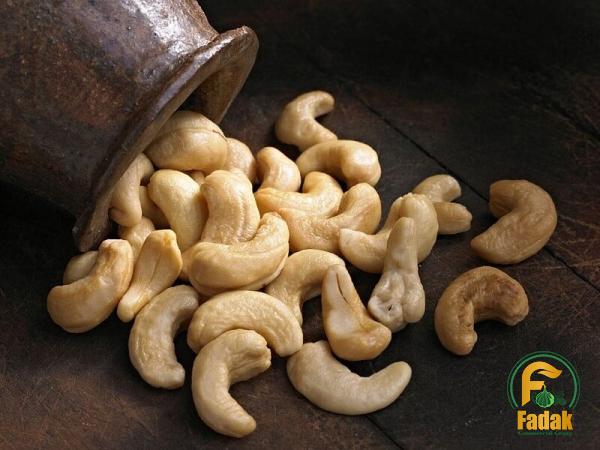
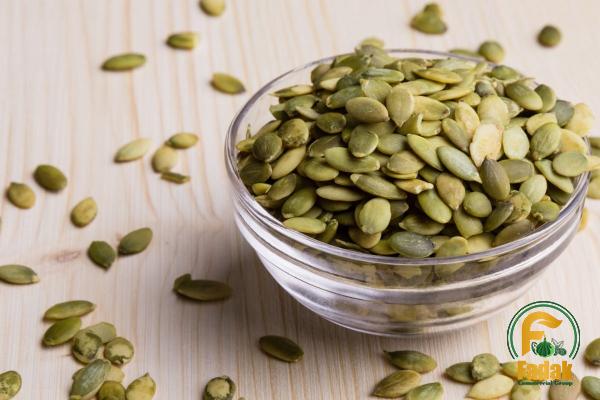
buy nut
 d. Supply Chain Disruptions: Natural disasters, political instability, or transportation issues can disrupt the smooth flow of cashew nuts from farms to wholesale dealers and ultimately to buyers, leading to delays and increased costs. e. Competitiveness: The cashew nut industry attracts numerous suppliers and wholesalers, resulting in intense competition. Staying ahead requires innovation, product differentiation, and effective marketing strategies. Conclusion: Cashew nuts wholesale dealers play a vital role in the global cashew nut industry, connecting suppliers and buyers while maintaining quality, managing logistics, and meeting customer demands. Their success is determined by factors such as strong supplier relationships, strict quality control measures, efficient supply chain management, and adaptability to market trends. Despite challenges like price fluctuations and supply chain disruptions, cashew nuts wholesale dealers continue to thrive as they explore new opportunities in an expanding market driven by growing consumer demand and awareness of the health benefits of cashew nuts.

Your comment submitted.