
Bulk cashews wholesale refers to the purchasing and sale of cashew nuts in large quantities. Cashews are incredibly popular nuts that are not only enjoyed as a snack but are also used in a wide range of culinary dishes and as ingredients in various food products. Wholesale suppliers play a crucial role in meeting the high demand for cashews by supplying them to retailers, distributors, and manufacturers around the world. The wholesale cashew industry is a dynamic and competitive market that requires careful sourcing, quality control, and efficient distribution channels. Wholesale suppliers must adhere to stringent industry standards and regulations to ensure that their cashews are of high quality and safe for consumption. They often purchase cashews directly from cashew farmers or through intermediaries, such as local cooperatives or cashew processing units. When it comes to bulk cashews wholesale, there are several important factors to consider. Firstly, the quality of the cashews is paramount. Wholesale suppliers must ensure that the cashews they source meet specific criteria, including size, color, and overall freshness. This involves working closely with cashew farmers to select the best nuts from the harvest and implementing quality control protocols throughout the supply chain. Another critical aspect of bulk cashews wholesale is price negotiation. Wholesale suppliers must engage in effective negotiations with cashew farmers or intermediaries to secure competitive prices for their purchases. Factors such as market conditions, supply and demand dynamics, and the quality of the cashews all play a role in determining the final price. Once the cashews are sourced and purchased, wholesale suppliers must take care of proper storage and transportation to maintain their freshness and quality. Cashews are sensitive nuts that can spoil if exposed to moisture, heat, or direct sunlight.
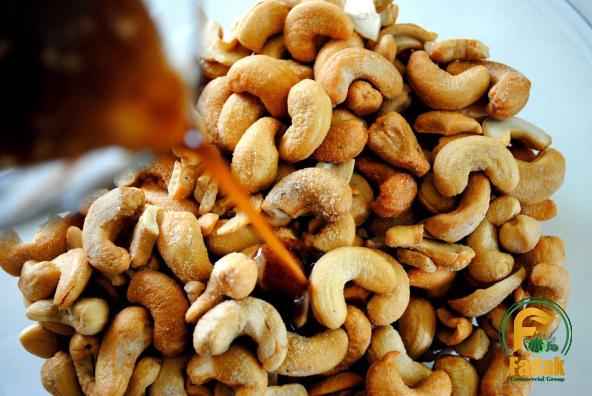
nut
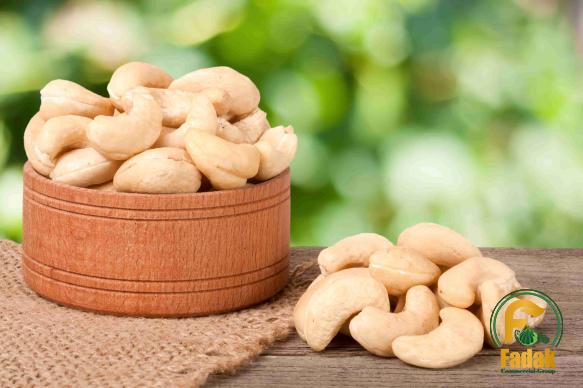 Therefore, it is crucial to store them in cool, dry environments and package them in moisture-proof and airtight containers. Additionally, efficient transportation logistics are essential to ensure timely delivery to customers. Wholesale suppliers often cater to a diverse customer base, including retailers, distributors, and food manufacturers. Retailers purchase bulk cashews to sell directly to consumers, either through physical stores or online platforms. Distributors, on the other hand, act as intermediaries between wholesale suppliers and retailers, providing a vital link in the distribution network. Food manufacturers rely on bulk cashews for various applications, such as snacks, baking, confectionery, and inclusion in other food products. The global market for cashews has witnessed significant growth in recent years. This can be attributed to several factors, including increasing consumer awareness of the nutritional benefits of cashews, a rise in demand for plant-based protein sources, and the versatility of cashews in culinary applications. As a result, wholesale suppliers must be prepared to meet this growing demand by sourcing and supplying cashews in bulk quantities. In conclusion, bulk cashews wholesale is a vital component of the cashew industry. Wholesale suppliers play a crucial role in meeting the high demand for cashews by sourcing, purchasing, and supplying them to retailers, distributors, and food manufacturers worldwide. Quality control, price negotiation, proper storage, and efficient transportation are all key factors in ensuring the success of the wholesale cashew business. With the increasing popularity of cashews, wholesale suppliers must adapt to the evolving market trends to maintain a competitive edge and fulfill the demands of their customers. I. Introduction Bulk cashews wholesale is a thriving business in the global marketplace, driven by the increasing popularity of cashews as a nutritious snack and versatile ingredient. In this article, we will delve deeper into the various aspects of the bulk cashew wholesale industry, exploring sourcing strategies, quality control measures, pricing dynamics, storage and transportation considerations, customer segmentation, market trends, and the future outlook for the industry. II. Sourcing and Quality Control One of the key factors in the success of bulk cashew wholesale is the ability to source high-quality cashews. Wholesale suppliers must establish strong relationships with cashew farmers or intermediaries to ensure a consistent supply of premium nuts. By working directly with farmers, suppliers can have better control over the quality of the cashews and offer competitive prices. Rigorous quality control measures, including inspection, selection, and testing, are essential to ensure the cashews meet the desired standards in terms of size, color, moisture content, and overall freshness. III. Price Negotiation Price negotiation is a critical aspect of the bulk cashew wholesale business. Wholesale suppliers must navigate the market dynamics and negotiate competitive prices with cashew farmers or intermediaries. Factors such as market demand, supply availability, quality of cashews, and the overall economic conditions influence the pricing.
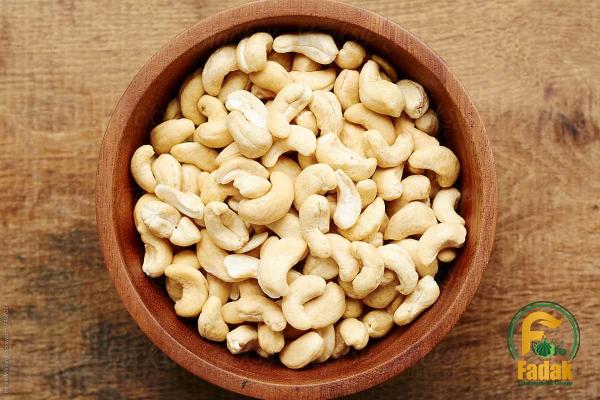
Specifications of nut
 Suppliers must strike a balance between obtaining fair prices to maintain profitability while remaining competitive in the market. IV. Storage and Transportation Maintaining the freshness and quality of cashews during storage and transportation is vital to ensure customer satisfaction. Cashews are sensitive to moisture, heat, and direct sunlight, which can affect their taste, texture, and overall quality. Suppliers must invest in proper storage facilities that provide controlled temperature and humidity levels. Additionally, cashews should be packaged in moisture-proof and airtight containers to protect them from external elements. Efficient transportation logistics, including timely delivery and careful handling, are crucial to prevent any damage or deterioration during transit. V. Customer Segmentation Bulk cashew suppliers cater to a diverse customer base, including retailers, distributors, and food manufacturers. Retailers purchase cashews in bulk to sell directly to consumers, either through physical stores or online platforms. Distributors act as intermediaries, buying cashews from suppliers and selling them to retailers. Food manufacturers use bulk cashews as ingredients in various products, such as snacks, baking goods, confectionery, and dairy alternatives. Understanding the specific needs and preferences of each customer segment is crucial in developing effective marketing strategies and delivering superior customer service. VI. Market Trends The global market for cashews has witnessed significant growth in recent years, driven by various factors. Increasing consumer awareness of the health benefits associated with cashews, such as being a rich source of healthy fats, protein, and minerals, has fueled the demand. Moreover, the rising popularity of plant-based diets and the use of cashews as a vegan alternative in dairy and confectionery products have contributed to market growth. Innovations in product development, such as flavored cashews and cashew butter, have also expanded the market potential. VII. Sustainability and Ethical Sourcing As consumers become more conscious of the environmental and social impact of their purchasing choices, sustainability and ethical sourcing have become significant considerations in the cashew industry. Wholesale suppliers must ensure that their cashew sourcing practices uphold ethical and sustainable standards.
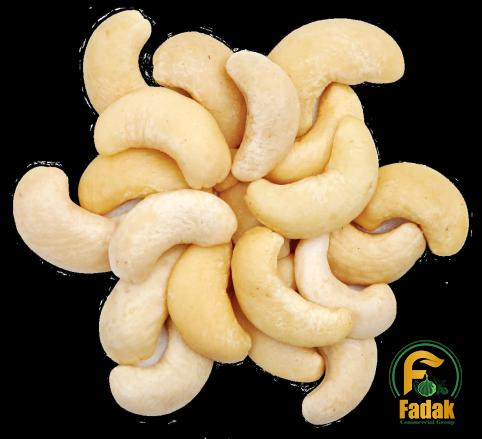
buy nut
 This involves supporting fair trade initiatives, promoting responsible farming practices, and ensuring proper working conditions for cashew farmers and workers. VIII. Competitive Landscape The bulk cashew wholesale industry is highly competitive, with numerous suppliers vying for market share. Differentiating factors include product quality, pricing, reliability, customer service, and the ability to offer value-added services. Wholesale suppliers must continuously review and refine their business strategies to stay ahead of the competition. Developing strong relationships with customers, providing prompt delivery, and offering customized packaging or branding solutions can give suppliers a competitive edge in the market. IX. Global Trade and Export Considerations The bulk cashew wholesale industry is not limited to serving local markets. Global trade and export play a significant role in expanding the reach of cashews to different regions. Wholesale suppliers must be aware of the specific import regulations, certifications, and customs requirements of the target markets. They must also be knowledgeable about international logistics and shipping procedures to ensure hassle-free export operations. X. Future Outlook The outlook for the bulk cashew wholesale industry remains positive, with continued growth expected in the coming years. The increasing demand for healthy and natural food products, coupled with the rising popularity of cashews, presents opportunities for suppliers to expand their customer base and explore new market channels. With a focus on sustainability and ethical sourcing, as well as continued innovation in product development, the industry is poised for further success in meeting the evolving needs of consumers. XI. Conclusion Bulk cashew wholesale is a dynamic and essential sector within the cashew industry. Sourcing high-quality cashews, negotiating competitive prices, maintaining proper storage and transportation, understanding customer segmentation, and staying abreast of market trends are key factors in the success of wholesale suppliers. By embracing sustainability and ethical practices, investing in customer relationships, and continuously adapting to changing market dynamics, bulk cashew suppliers can thrive in the competitive global marketplace.
Your comment submitted.