
Cashew nuts are highly nutritious and delicious snacks enjoyed worldwide. These crescent-shaped nuts are versatile ingredients in a variety of dishes, offering a unique combination of flavor, texture, and numerous health benefits. For businesses looking to incorporate cashews into their products or sell them as standalone snacks, sourcing them in bulk and at an affordable price is crucial. In this summary, we will explore the world of cashew nuts bulk cheap options, focusing on potential suppliers, benefits of purchasing in wholesale quantities, and considerations for businesses seeking cost-effective solutions. 1. Understanding Cashew Nuts: Cashew nuts, derived from the cashew tree (Anacardium occidentale), are native to northeastern Brazil but are now cultivated in various tropical regions worldwide. They are typically encased in a hard outer shell and comprised of the nut itself and a thin, edible skin. Cashews are a rich source of nutrients, including healthy fats, proteins, fiber, vitamins, and minerals. They are also renowned for their creamy, buttery taste, making them a popular choice in both sweet and savory dishes. 2. Benefits of Purchasing Cashew Nuts in Bulk: a) Cost Savings: One of the primary advantages of buying cashews in bulk is the potential for significant cost savings. Typically, suppliers offer better pricing for wholesale quantities, allowing businesses to lower their production costs or offer competitive retail prices. b) Simplified Supply Chain: Purchasing cashews in bulk reduces the hassle of frequent reordering and ensures a stable supply of raw materials. Businesses can streamline their supply chain by establishing long-term relationships with suppliers, reducing the risk of unexpected shortages or fluctuations in prices. c) Product Consistency: Buying in bulk from a reputable supplier helps maintain consistency in product quality. By establishing a trusted partnership, businesses can rely on consistent taste, texture, and freshness of cashew nuts, ensuring customer satisfaction and brand reputation. d) Flexibility in Packaging and Customization: Bulk purchase facilitates packaging customization according to specific business needs. From resealable bags to portion-sized sachets or branded packaging, businesses have the freedom to align their product presentation with their target market and brand identity. 3. Cashew Nuts Bulk Suppliers: a) Global Suppliers: Several countries around the world are known for their cashew nut production, including Vietnam, India, Ivory Coast, and Brazil. These countries offer a wide range of suppliers from small-scale local farmers to large-scale exporters, providing businesses with various options to suit their demands. b) Online Marketplaces: E-commerce platforms, such as Alibaba, Tradekey, and Global Sources, offer extensive listings of cashew nut suppliers. These platforms provide businesses with a wealth of information to compare prices, quantities, certifications, and customer reviews, enabling them to make informed decisions before finalizing a bulk purchase. c) Trade Shows and Conferences: Attending trade shows and industry-specific conferences can be an excellent way to connect with cashew nut suppliers. These events provide an opportunity to establish personal relationships, negotiate prices, and evaluate the quality of products firsthand. d) Local Associations and Chambers of Commerce: Regional agricultural associations and business chambers often have a directory of suppliers within their jurisdiction. Exploring these resources can lead businesses to local cashew nut producers, facilitating a closer and potentially more sustainable partnership.
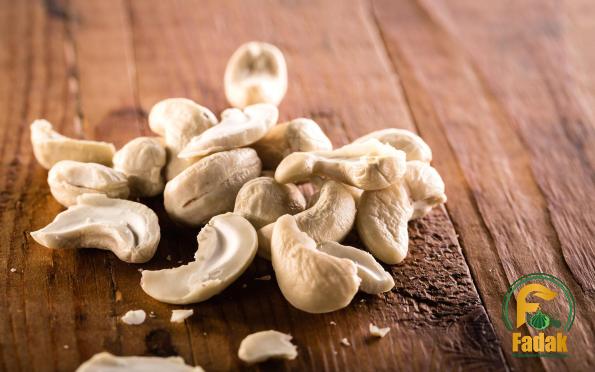
nut
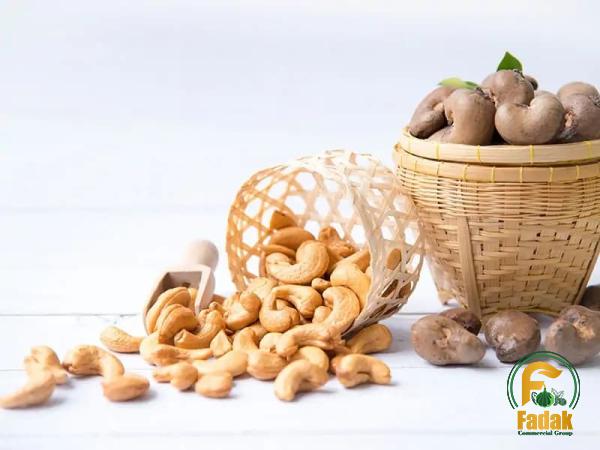 4. Key Considerations for Businesses: a) Quality Assurance: When choosing a cashew nut supplier, businesses should prioritize quality assurance. Requesting samples, inquiring about processing methods, certifications (such as ISO, HACCP, organic), and visiting producer facilities, if possible, can ensure adherence to food safety standards and maintain product excellence. b) Packaging and Shipping: Assessing the packaging and shipping methods offered by suppliers is crucial to minimize the risk of product damage during transit. Evaluating options such as vacuum-sealed bags, tamper-proof containers, and appropriate storage conditions will help maintain cashews’ quality upon arrival. c) Price Negotiation: Bulk purchases often involve negotiations. Businesses should be prepared to discuss pricing terms, minimum order quantities, delivery schedules, and potential discounts with suppliers to secure a favorable deal. Building a strong relationship based on trust and reliability can lead to further benefits in the long run. d) Consideration of Sustainability: With increasing consumer demand for sustainably sourced products, businesses should consider the environmental and social impacts of their cashew nut procurement. Choosing suppliers who prioritize sustainable farming practices or have certifications like Fairtrade can enhance the brand’s reputation and attract conscious consumers. Conclusion: Cashew nuts bulk cheap options can provide businesses with substantial benefits, including cost savings, a reliable supply chain, consistency in quality, and packaging flexibility. By understanding the various suppliers available globally, considering key factors such as quality assurance, packaging, shipping, price negotiation, and sustainability, businesses can make informed decisions when purchasing cashew nuts in bulk. Investing time and effort in finding reputable suppliers will enable businesses to incorporate these nutritious nuts into their offerings while maintaining their competitive edge in the market. Cashew Nuts Bulk Cheap: A Comprehensive Guide to Sourcing Cost-Effective Wholesale Options 1. Factors Influencing Cashew Nut Prices a) Global Supply and Demand: Cashew nut prices are affected by the global supply and demand dynamics. Factors such as weather conditions, pest infestations, and disease outbreaks can impact crop yields, leading to supply shortages or surpluses, thus affecting prices. b) Harvesting and Processing Costs: The cost of labor, transportation, and processing can vary across different cashew nut-producing regions. Understanding these costs can help businesses identify cost-effective sourcing options. c) Currency Exchange Rates: As cashew nuts are traded internationally, changes in currency exchange rates can influence prices. Monitoring currency fluctuations can assist businesses in identifying favorable purchasing windows. d) Market Competition: The level of competition among cashew nut suppliers can also influence prices. Understanding the market dynamics and identifying suppliers offering competitive pricing can help businesses secure the best possible deal. 2. Sourcing Cashew Nuts in Bulk a) Direct Farm Sourcing: For businesses seeking cost-effective options, establishing direct relationships with cashew nut farmers can be a viable solution. This approach eliminates intermediaries and allows for more competitive pricing. b) Local Cooperatives and Associations: Many cashew nut-producing regions have local cooperatives or associations that help small-scale farmers band together for collective marketing and sourcing. Partnering with these organizations can provide businesses with access to bulk quantities at favorable prices. c) Importers and Exporters: Importers and exporters who specialize in cashew nuts can provide businesses with a wide range of sourcing options. These entities typically have established relationships with cashew nut producers and can leverage economies of scale to offer competitive pricing. d) Wholesalers and Distributors: Wholesale cashew nut suppliers cater to businesses looking to purchase in bulk. They often have fixed pricing structures based on quantity, allowing businesses to benefit from lower unit costs as the order volume increases.
Specifications of nut
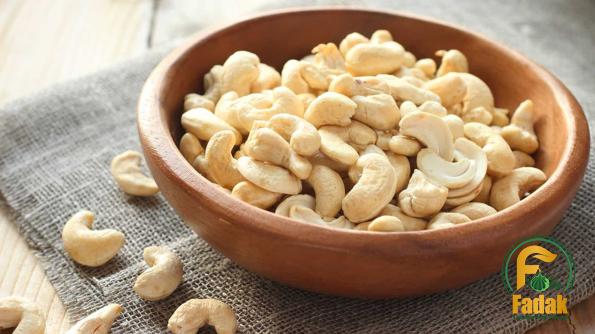 3. Evaluating Supplier Reliability a) Reputation and Track Record: Assessing a supplier’s track record and reputation is crucial to ensure reliability. Conducting background research, checking customer reviews, and requesting references can help businesses gauge a supplier’s effectiveness and consistency. b) Quality Certification: A reliable supplier must adhere to quality control standards. Inquire about certifications such as ISO, HACCP, or organic certifications to ensure that the supplier meets international quality standards. c) Compliance with Food Safety Regulations: Cashew nut suppliers should comply with food safety regulations imposed by the country of origin and destination. Request information about the supplier’s food safety protocols, traceability systems, and compliance with international standards to avoid any legal or reputational issues. d) Transparency in Pricing and Terms: Reliable suppliers provide clear and transparent pricing and terms. They should be able to provide detailed quotes, including any additional costs for packaging, shipping, or customization. Understand the payment terms, lead times, and any applicable minimum order quantities to set realistic expectations. 4. Packaging and Shipping Considerations a) Packaging for Bulk Storage: Once cashew nuts are purchased in bulk, proper packaging is essential to maintain their quality and freshness. Opt for packaging options that offer protection from moisture, light, and oxygen to prevent spoilage. b) Bulk Storage Facilities: Businesses should ensure they have adequate storage facilities before purchasing cashew nuts in bulk. The storage area should be clean, dry, and free from pests to safeguard the nuts’ quality. c) Shipping Methods: Evaluate different shipping methods to identify the most cost-effective and time-efficient option. Consider factors such as transportation costs, delivery times, handling procedures, and insurance coverage for protection against damages or losses during transit. d) International Trade Considerations: If sourcing cashew nuts from overseas suppliers, familiarize yourself with import regulations, duties, and taxes imposed by the destination country to avoid any unexpected costs or delays. 5. Negotiating Pricing and Terms a) Establishing a Long-Term Partnership: Building a long-term relationship with a supplier can lead to better pricing and more favorable terms in the future. Demonstrating reliability, loyalty, and consistent business can contribute to a mutually beneficial partnership. b) Volume Discounts and Contracts: Bulk purchases often come with the opportunity for volume discounts. Negotiating a contract with a supplier, guaranteeing a certain quantity over a specific period, can lead to more favorable pricing and conditions.
buy nut
 c) Payment Terms: Discussing flexible payment options with suppliers, such as partial upfront payment or credit terms, can help businesses manage their cash flow while securing the desired quantity of cashew nuts. d) Exclusive Supply Agreements: In certain cases, businesses may consider exclusive supply agreements with a supplier, ensuring a stable cashew nut supply at negotiated prices. Such agreements may provide a competitive advantage and increase brand loyalty. 6. Sustainable Sourcing Practices a) Environmental Impact: Increasingly, consumers are concerned about the environmental impact of their purchases. Seek suppliers who employ sustainable farming practices, such as regenerative agriculture, organic farming, or agroforestry, to minimize the carbon footprint and protect natural resources. b) Fair Trade Certification: Fair trade certification ensures that cashew nut producers receive fair wages and work in safe conditions. Choosing suppliers with fair trade certifications can align with businesses’ commitment to social responsibility and fair trade practices. c) Social Responsibility: Assess suppliers’ commitment to social responsibility by evaluating their policies on worker welfare, gender equality, and community development. Suppliers who invest in the well-being of their employees and local communities contribute to a positive social impact. d) Traceability and Ethical Sourcing: Transparency in the supply chain is crucial to ensure ethical sourcing. Inquire about the supplier’s traceability systems and their ability to provide information on the origin of cashews, supporting responsible sourcing practices. Conclusion: Sourcing cashew nuts in bulk at affordable prices is a strategic decision for businesses looking to incorporate these nutritious nuts into their products or sell them as standalone snacks. By considering factors such as supply and demand dynamics, evaluating reliable suppliers, understanding packaging and shipping considerations, negotiating pricing and terms, and prioritizing sustainable sourcing practices, businesses can optimize their cashew nut procurement, reduce costs, and enhance their competitive edge in the market. Armed with this knowledge, businesses can confidently embark on their journey to source cashew nuts in bulk cheaply, meeting the growing demand for this versatile and delicious snack.
Your comment submitted.