
Almonds in their shell are one of nature’s most versatile and nutritionally-rich nuts. They have been a part of human diets for centuries and are known for their numerous health benefits. This article provides a comprehensive summary highlighting the nutritional value, health benefits, and potential uses of almonds in their shells. Nutritional Value: Almonds contain a wide range of essential nutrients, making them a great addition to a balanced diet. They are an excellent source of healthy fats, protein, dietary fiber, vitamins, and minerals. A serving of almonds (approximately 28 grams) contains around 164 calories, 6 grams of protein, 3.5 grams of dietary fiber, and 14 grams of heart-healthy monounsaturated fats. Almonds also provide significant amounts of vitamin E, magnesium, calcium, potassium, and iron. Health Benefits: 1. Heart Health: The monounsaturated fats found in almonds can help reduce bad cholesterol (LDL) levels and promote cardiovascular health.

nut
 Vitamin E, present in high amounts in almonds, also acts as an antioxidant and protects against oxidative stress, reducing the risk of heart disease. 2. Weight Management: Despite being calorie-dense, almonds can be a valuable addition to a weight loss or maintenance plan. The combination of protein, fiber, and healthy fats in almonds helps increase satiety and control hunger, making them a satisfying and nutritious snack option. 3. Blood Sugar Control: Almonds have a low glycemic index, meaning they have a minimal impact on blood sugar levels. The fiber and healthy fats present in almonds help regulate glucose absorption and promote better blood sugar control, making them suitable for individuals with diabetes or insulin resistance. 4. Bone Health: Almonds are a good source of calcium, magnesium, and phosphorus, all crucial minerals for bone health. Regular consumption of almonds can contribute to maintaining strong bones and reducing the risk of osteoporosis.
Specifications of nut
 5. Brain Health: The vitamin E and other antioxidants in almonds have been linked to improved cognitive function and reduced risk of age-related cognitive decline. These nutrients help protect the brain against inflammation and oxidative stress. 6. Skin Health: Almonds contain vitamin E, which is known for its role in skin health. The antioxidants in almonds help protect the skin from damage caused by harmful UV rays and environmental factors. Almonds also provide moisture to the skin and contribute to a healthy complexion. Potential Uses: Apart from being consumed as a snack, almonds in their shell can be incorporated into various recipes and used in a variety of ways, both in culinary and non-culinary applications. Here are a few potential uses: 1. Culinary Uses: – Roasted and seasoned: Almonds can be roasted with seasonings like sea salt, herbs, or spices to enhance their flavor. – Baking: Almonds can be ground into flour or chopped and added to baked goods like cookies, cakes, and bread.
buy nut
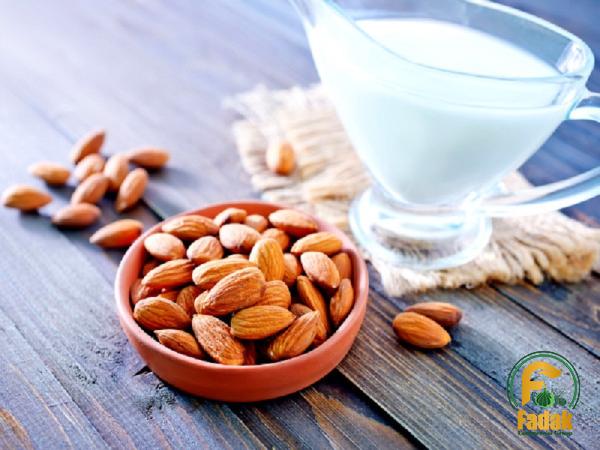
 – Salad toppings: Sliced or slivered almonds add a pleasant crunch and nutty flavor to salads. – Trail mixes: Almonds can be combined with other nuts, dried fruits, and seeds to create a nutritious and portable snack. 2. Non-Culinary Uses: – Almond oil: The oil extracted from almonds is commonly used in skincare products, massage oils, and aromatherapy. – DIY almond milk: Soaking and blending almonds with water creates a creamy and dairy-free alternative to milk. Conclusion: Almonds in their shell are a nutritional powerhouse packed with essential nutrients, healthy fats, and antioxidants. They offer a wide range of health benefits, including promoting heart health, aiding weight management, blood sugar control, and supporting bone and brain health. Furthermore, their versatility allows for various culinary and non-culinary uses, making them a versatile ingredient. Incorporating almonds in their shell into your diet can be a simple yet effective way to boost overall health and well-being.





Your comment submitted.