
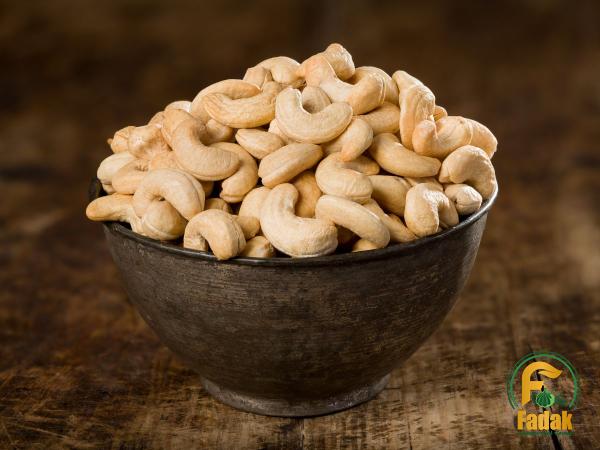
Wholesale raw cashews are highly sought-after commodities in various industries worldwide. These kidney-shaped nuts, packed with essential nutrients and distinctive flavors, are valued for their versatility and culinary applications. In this summary, we will explore the key aspects of wholesale raw cashews, including their nutritional benefits, sourcing and production, market demand, and diverse applications across various sectors. Nutritional Benefits: Cashews are not only delicious but also offer an array of health benefits. They are an excellent source of healthy fats, protein, vitamins, minerals, and dietary fiber. Cashews are rich in heart-healthy monounsaturated fats, which help reduce cholesterol levels and improve cardiovascular health. These nuts are also a good source of essential minerals like magnesium, zinc, phosphorus, and copper, which are vital for maintaining bone health, boosting immunity, and supporting metabolic functions. Additionally, cashews contain antioxidants like vitamin E and phytochemicals that assist in reducing inflammation and protecting against chronic diseases. Sourcing and Production: Wholesale raw cashews are primarily sourced from cashew tree plantations in tropical regions such as Africa, Asia, and Latin America. The cashew tree, scientifically known as Anacardium occidentale, bears fruit with the cashew nut attached to the bottom of the cashew apple. Procuring raw cashews involves a multi-step process. Initially, the cashew apples are harvested and processed to remove the outer layer, revealing the cashew nut. The shells of the cashew nuts are then removed using specialized machines or traditional methods, leaving behind the raw cashews. These raw cashews are subsequently sorted, graded, and packaged according to quality standards before being distributed for wholesale purposes. Market Demand: The demand for wholesale raw cashews has witnessed significant growth in recent years. The rising awareness of the health benefits of cashews, coupled with their versatility in various culinary applications, has contributed to the increase in demand from both businesses and consumers. The food industry is a major consumer of cashews, incorporating them into a range of products, including snacks, desserts, confectioneries, and savory dishes. Cashews are also used as an ingredient in the production of plant-based dairy alternatives, such as cashew milk and cheese. Besides, cashews are popular among individuals following vegan, vegetarian, or gluten-free diets due to their high protein content and ability to add richness and creaminess to recipes.
nut
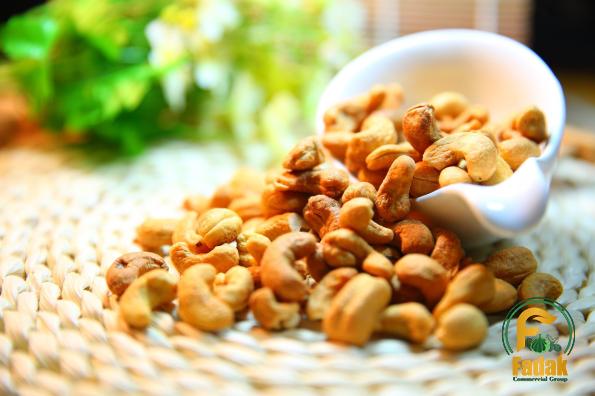 Applications and Industries: The versatility of wholesale raw cashews makes them a favorite ingredient across various industries, including the food and beverage sector, nutraceuticals, cosmetic products, and even the fashion industry. In the food and beverage industry, cashews find extensive use in creating delectable snacks like cashew bars, trail mixes, and granolas. They are also widely used in baking, particularly in cakes, cookies, and pastries, to add texture and flavor. Cashews’ creamy texture and nutty flavor make them a popular choice for plant-based milk production, as well as a base ingredient in the production of plant-based yogurts, ice creams, and cheeses. Additionally, cashews are utilized in the manufacturing of spreads, sauces, and dressings, offering a creamy consistency and a rich taste profile. Beyond the food industry, wholesale raw cashews are also in demand in the nutraceutical sector. Cashews are processed to produce cashew nut oil, which contains high levels of beneficial fatty acids, antioxidants, and other bioactive compounds. This oil is used in dietary supplements, skincare products, and haircare formulations due to its moisturizing, soothing, and anti-aging properties. Cashew nut oil is valued for its ability to nourish and hydrate the skin, promote collagen production, and protect against oxidative stress. Furthermore, cashews’ nutrient-packed profile makes them a popular choice for use in nutritional bars, protein powders, and health supplements. In recent years, cashews have found surprising applications in the fashion industry. The outer shell of the cashew nut, which is normally discarded during cashew processing, contains a toxic oil known as cashew nutshell liquid (CNSL). However, researchers have discovered that CNSL can be transformed into a sustainable alternative to synthetic resins, used in the production of paints, varnishes, and even shoe soles. This innovation has opened up new avenues for cashew farmers and processors, providing them with additional income streams by utilizing the byproducts of cashew processing. Conclusion: Wholesale raw cashews are highly versatile, nutritious, and in-demand ingredients that find applications across various industries. They not only offer immense health benefits but also add delectable flavor and texture to a wide range of culinary creations. As the demand for plant-based and healthy alternatives continues to grow, the global demand for wholesale cashews is expected to flourish. With their diverse applications and potential for innovation, cashews have firmly established their place as an essential ingredient in the food and beverage industry, nutraceutical sector, cosmetic products, and even the fashion industry. Wholesale Raw Cashews: A Lucrative Business Opportunity in a Growing Market I. Introduction Cashews are a popular and versatile ingredient in the food industry, nutraceuticals, cosmetics, and even the fashion industry. As the demand for healthy and plant-based alternatives continues to rise, wholesale raw cashews offer a lucrative business opportunity. In this article, we will delve deeper into the business aspects of wholesale raw cashews, including market trends, sourcing strategies, distribution channels, pricing considerations, and potential challenges.
Specifications of nut
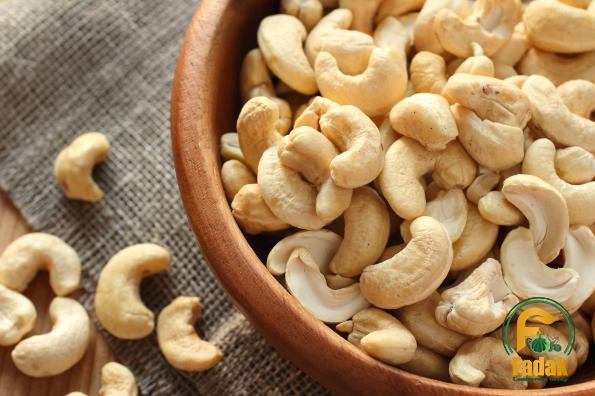 II. Market Trends and Demand The market for wholesale raw cashews has witnessed a steady growth trajectory in recent years due to their perceived health benefits and versatility. Consumers are becoming more health-conscious and seeking nutrient-dense options, leading to an increased demand for cashews. Moreover, the rise in vegan and vegetarian lifestyles, coupled with the growing preference for natural and clean-label ingredients, has further fueled the market demand. Businesses in the food industry, nutraceuticals, and cosmetics are constantly looking for high-quality raw cashews to cater to these evolving consumer preferences. III. Sourcing Strategies To maintain a competitive edge in the wholesale raw cashew business, sourcing high-quality cashews is crucial. The primary regions for cashew production include Africa, Asia, and Latin America. It is essential for businesses to establish strong relationships with local growers, cooperatives, or reputable suppliers in these regions to ensure a consistent supply of premium raw cashews. Additionally, conducting thorough quality checks and adhering to ethical and sustainable sourcing practices can further enhance the credibility and reputation of the business. IV. Distribution Channels Wholesale raw cashew distribution channels play a vital role in reaching a wider customer base efficiently. Businesses can choose to sell directly to large food manufacturers, nutraceutical companies, and cosmetic product manufacturers. This approach offers the advantage of bulk orders and long-term contracts. Additionally, establishing partnerships with distributors and wholesalers can help reach smaller businesses, independent retailers, and even online platforms. These distribution partners can effectively handle storage, logistics, and customer relations, allowing the cashew business to focus on production and quality control. V. Pricing Considerations Determining the right pricing strategy is crucial for the success of a wholesale raw cashew business. Several factors influence the pricing, including the quality of the cashews, market demand, competition, sourcing costs, and international trade dynamics. It is essential to conduct thorough market research, analyze the cost structure, and factor in overhead expenses, such as packaging, storage, and transportation. A balance must be struck between offering competitive prices to attract customers while ensuring profitability for the business. VI. Quality Control and Assurance Maintaining consistent quality is paramount in the wholesale raw cashew industry. Implementing robust quality control measures throughout the entire supply chain is necessary to ensure that customers receive premium cashews that meet their expectations. This includes conducting regular inspections, adhering to industry standards, and investing in technologies that can detect and eliminate any defective or subpar cashews from the production line. Quality assurance certifications, such as organic or fair-trade certifications, can further enhance the marketability and value of the cashews.
buy nut
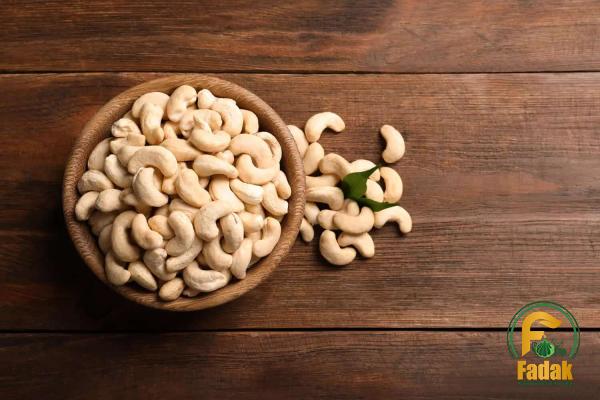 VII. Value-Added Processing and Packaging Offering value-added cashew products can not only differentiate a business in a competitive market but also increase profitability. Raw cashews can be processed into various forms, such as roasted and salted cashews, flavored cashews, cashew butter, or even cashew flour. These value-added products cater to different consumer preferences and can be marketed as healthy snacks, ingredients, or culinary products. Alongside processing, attention should be given to aesthetically appealing and functional packaging that extends the cashews’ shelf life and enhances their visual appeal. VIII. Marketing and Branding Effective marketing and branding strategies are essential components of a successful wholesale raw cashew business. Highlighting the nutritional benefits, superior quality, and sustainable sourcing practices can attract conscious consumers. Collaborating with influencers or nutritionists to promote the health benefits of cashews through social media or content marketing can expand the reach. Building a recognizable brand through visually appealing packaging, a compelling brand story, and targeted marketing campaigns can create a loyal customer base and drive sales. IX. Potential Challenges and Mitigation Like any business venture, the wholesale cashew industry faces potential challenges that need to be addressed effectively. These challenges can include volatile market prices, unpredictable climate patterns affecting cashew production, logistical complexities, and increasing competition. Mitigation strategies should be put in place, such as establishing long-term contracts for stable pricing, diversifying sourcing regions to reduce risk, and investing in technologies that can optimize production and reduce wastage. X. Future Outlook The future of the wholesale raw cashew industry looks promising. With the global trend towards healthier lifestyles, plant-based eating, and sustainable sourcing, the market demand for cashews is expected to continue growing. As businesses adapt to changing consumer preferences and invest in advanced processing technologies, product innovation, and marketing strategies, they can seize the opportunities presented by the evolving market landscape. XI. Conclusion The wholesale raw cashew business offers a lucrative opportunity for entrepreneurs looking to tap into the growing demand for healthy and versatile ingredients. By establishing reliable sourcing networks, implementing quality control measures, utilizing effective distribution channels, and adopting innovative marketing strategies, businesses can position themselves for success in this thriving industry. With careful planning and attention to detail, a wholesale cashew business can flourish and provide a range of products to cater to the diverse needs of consumers across various industries.
Your comment submitted.