
Almond dry fruits are one of the most popular and nutritious snacks available in the market. They come in various forms such as whole almonds, sliced almonds, blanched almonds, and almond flour. Almond dry fruits are packed with numerous health benefits and are a great addition to a balanced diet. One of the key benefits of almond dry fruits is their high nutritional value. Almonds are an excellent source of protein, fiber, healthy fats, vitamins, and minerals. They are particularly rich in vitamin E, magnesium, calcium, and potassium. These nutrients play a vital role in maintaining overall health and well-being. Almonds also contain antioxidants that help protect the body against oxidative stress and reduce the risk of chronic diseases. Consuming almond dry fruits may also have a positive impact on heart health. They are known to improve cholesterol levels by increasing the levels of high-density lipoprotein (HDL) or “good” cholesterol and reducing low-density lipoprotein (LDL) or “bad” cholesterol. Almond dry fruits are also low in saturated fats and high in monounsaturated fats, which are heart-healthy fats that can help lower the risk of heart disease. In addition to promoting heart health, almonds are beneficial for weight management. Despite being calorie-dense, almond dry fruits can aid in weight loss. The high protein and fiber content in almonds can increase feelings of fullness and reduce overall calorie intake. The combination of healthy fats, fiber, and protein make almonds a satiating snack that can help curb hunger and prevent overeating. Almond dry fruits have also been associated with improved brain function. The vitamin E found in almonds has been linked to a lower risk of cognitive decline and neurodegenerative diseases such as Alzheimer’s. The combination of antioxidants and healthy fats in almond dry fruits may also help protect brain cells from damage caused by free radicals. Furthermore, almond dry fruits can have a positive impact on blood sugar control. The high magnesium content in almonds has been shown to improve insulin sensitivity and regulate blood sugar levels. This can be particularly beneficial for individuals with type 2 diabetes or those at risk of developing the condition.
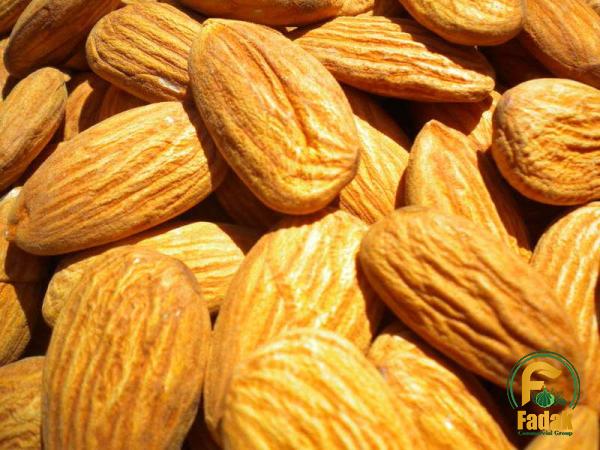
nut
 Apart from their health benefits, almond dry fruits are versatile and can be used in a variety of dishes. Whole almonds can be enjoyed as a snack on their own or added to salads, granola bars, and trail mixes. Sliced or crushed almonds can be used as a topping for yogurts, cereals, and desserts. Almond flour is widely used as a gluten-free alternative to regular flour in baking. When purchasing almond dry fruits, it is important to choose high-quality and fresh products. Opting for organic and non-GMO almonds is a great way to ensure that you are getting the best possible product without any harmful chemicals or additives. Buying in bulk, such as a 1kg pack, is also a cost-effective option for individuals who consume almond dry fruits regularly. In conclusion, almond dry fruits are a nutritional powerhouse packed with essential nutrients and health benefits. Consuming almond dry fruits can support heart health, aid in weight management, improve brain function, and help regulate blood sugar levels. Adding almond dry fruits to your diet not only provides a delicious and satisfying snack but also contributes to an overall healthier lifestyle.I. Introduction Almond dry fruits have gained immense popularity in recent years as consumers recognize their numerous health benefits. In addition to being a nutritious snack, almond dry fruits have also created a thriving business opportunity for producers, distributors, and retailers. This article will explore the business aspects of almond dry fruits, including market trends, production methods, distribution channels, and marketing strategies.
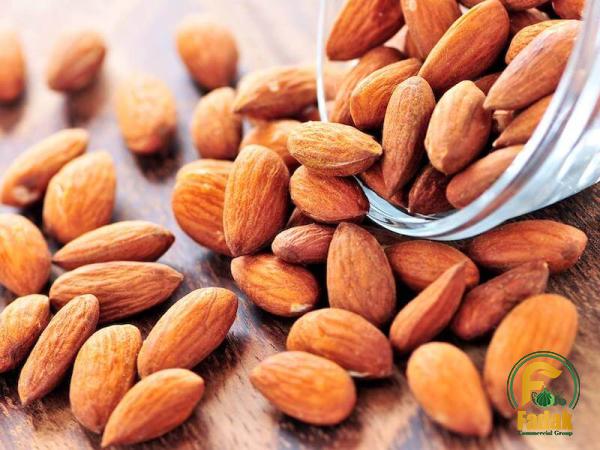
Specifications of nut
 II. Market Overview The global market for almond dry fruits has been experiencing steady growth in recent years. Increasing consumer awareness about the health benefits of almonds, coupled with the rise in demand for natural and organic products, has been driving the market expansion. According to a report by Market Research Future, the market for almond dry fruits is expected to reach a value of $13.52 billion by 2024, growing at a CAGR of 5.6% during the forecast period. III. Production Methods Almond dry fruits are typically produced from the nut of the almond tree (Prunus dulcis). The process involves harvesting the almonds when they reach maturity and removing the outer hull to expose the inner shell. The shells are then cracked open to retrieve the almond kernel, which is the edible part of the fruit. The almonds are then either sold as whole nuts or processed further into sliced almonds, blanched almonds, or almond flour. IV. Cultivation and Harvesting Almond trees require specific conditions to thrive, including well-drained soil, sufficient sunlight, and a moderate climate. The majority of the world’s almonds are grown in regions such as California in the United States, Spain, and Australia. The cultivation process involves planting mature almond tree saplings and providing adequate irrigation and fertilization. Almond trees generally start producing fruit in their third year and reach full production in 4-6 years. Harvesting typically takes place in late summer or early autumn when the outer hulls split open and the almonds are ready for collection. V. Processing and Packaging Once harvested, almonds go through several processing steps before reaching consumers in the form of dry fruits. The almonds are cleaned to remove any debris or dust and then undergo a pasteurization process to ensure safety and extend their shelf life. After pasteurization, almonds can be further processed into various forms, such as sliced almonds, blanched almonds, or almond flour. The packaging of almond dry fruits is essential to maintain their freshness and quality. Almonds are commonly packaged in airtight containers or bags, ensuring they are protected from moisture and exposure to oxygen. VI. Distribution Channels Almond dry fruits are distributed through various channels in the market. Retail stores, including supermarkets, health food stores, and specialty stores, are the primary distribution outlets for almond dry fruits. Additionally, online platforms have gained popularity as a convenient way for consumers to purchase almond dry fruits. E-commerce platforms and online retailers offer a wide range of almond products for consumers to choose from.
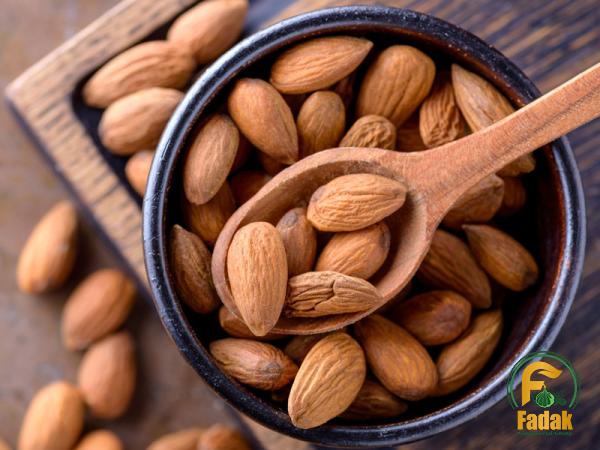
buy nut
 VII. Marketing Strategies To stand out in the competitive almond dry fruits market, businesses employ various marketing strategies. One of the key strategies is promoting the health benefits of almonds to attract health-conscious consumers. Companies often highlight the nutritional content of almond dry fruits, including their high protein and fiber content, as well as their heart-healthy fats and antioxidant properties. Marketing campaigns may also focus on the versatility of almond dry fruits, showcasing different recipes and ways to incorporate almonds into everyday meals and snacks. VIII. Packaging and Branding Effective packaging and branding are crucial for the success of almond dry fruit products. Eye-catching packaging designs that highlight the quality and freshness of the almonds can attract consumers’ attention on store shelves. Brands that promote eco-friendly packaging options, such as recyclable materials, can also appeal to environmentally-conscious consumers. Additionally, building a strong brand identity and maintaining consistent branding across all platforms can help differentiate almond dry fruit products from competitors. IX. Quality Control and Certifications Maintaining high-quality standards is essential in the production and distribution of almond dry fruits. Companies often implement rigorous quality control processes to ensure that the almonds meet specific criteria for freshness, taste, and nutritional content. Obtaining certifications, such as organic, non-GMO, or fair-trade certifications, can help build consumer trust and enhance the reputation of the almond dry fruit brand. X. Competitive Landscape The almond dry fruits market is highly competitive, with numerous players vying for market share. Major players in the industry include California Almonds, Blue Diamond Growers, Wonderful Pistachios & Almonds, and Mariani Nut Company. These companies invest in research and development to introduce innovative almond products and expand their product portfolios. Smaller, niche players often focus on organic or specialty almond dry fruits to cater to specific consumer preferences. XI. Future Trends The almond dry fruits market is expected to continue its growth trajectory in the coming years. Increasing consumer demand for healthy and natural snacks, coupled with the rise of plant-based diets, is likely to drive market expansion. The introduction of new almond-based products, such as almond milk, almond butter, and almond-based snacks, is also expected to contribute to market growth. Furthermore, the growing popularity of online shopping and e-commerce platforms is expected to further boost the sales of almond dry fruits. XII. Conclusion Almond dry fruits offer a win-win situation for both consumers and businesses. Consumers benefit from the numerous health benefits and versatility of almonds, while businesses can capitalize on a growing market and increasing demand. As the awareness of healthy snacking and plant-based diets continues to rise, the almond dry fruits industry presents a promising business opportunity for producers, distributors, and retailers. With strategic marketing, quality control, and innovation, businesses can thrive in this competitive market and satisfy the increasing demand for almond dry fruits.
Your comment submitted.